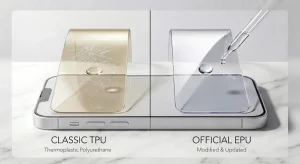
Introduction
A screen protector can look perfect when it comes out of the package. The surface is clear, the edges are clean, and the display looks almost untouched. But after a few minutes of use, fingerprints, skin oil, and smudges may become easy to see. For consumers, this is an everyday annoyance. For screen protector brands, wholesalers, and distributors, it can quickly become a product-quality issue.
That is where anti-fingerprint coating comes in. It is often mentioned alongside oleophobic coating, easy-clean surfaces, and fingerprint-resistant glass or film. These expressions are related, but they do not automatically mean the same thing or guarantee the same level of performance. A coating may reduce the visibility of oily marks, make fingerprints easier to wipe away, or improve the smoothness of a surface. Its actual result depends on the chemistry, application process, substrate, and quality control.
This guide explains the anti fingerprint coating meaning in the context of smartphone screen protectors, including tempered glass, hydrogel film, PET film, and other flexible protective materials. It also looks at practical test methods, questions buyers should ask an oleophobic coating supplier, and ways a fingerprint resistant film distributor can evaluate samples before placing a bulk order.
What Does Anti-Fingerprint Coating Mean?
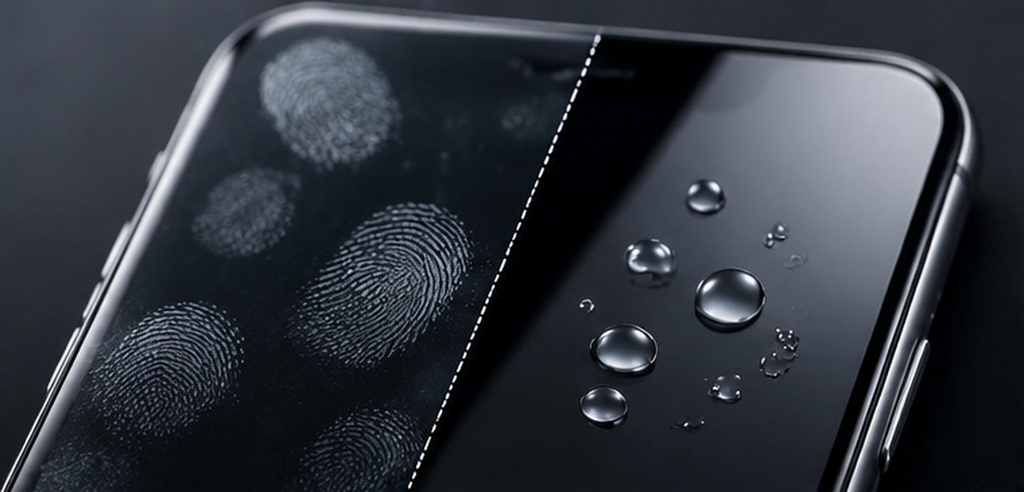
In simple terms, an anti-fingerprint coating is a surface treatment designed to reduce the impact of fingerprints and oily contamination on a product. On a screen protector, it usually works by changing how the outer surface interacts with oils, moisture, and cleaning materials.
Human fingerprints contain a mixture of water, skin oils, salts, and other residues. When a finger touches untreated glass or polymer film, some of these materials transfer to the surface. The residue can change the way light reflects from the screen, leaving visible marks. An anti-fingerprint treatment aims to make this residue less noticeable, less likely to spread, or easier to remove with a suitable cloth.
The term describes a performance goal rather than one universal chemical formula. Different suppliers may use different coating chemistries and deposition processes. A coating designed for glass may not behave in exactly the same way on a flexible polymer film. Even when two products use the same general coating category, their results can differ because of coating thickness, surface preparation, curing conditions, and the quality of the underlying material.
For buyers, the important point is this: an anti-fingerprint claim should be supported by a defined test and clear acceptance criteria. A product photo showing a clean screen is not enough to establish coating performance.
Anti-Fingerprint, Oleophobic, and Hydrophobic: What Is the Difference?
These terms often appear together in screen protector specifications, but they refer to different aspects of surface behavior.
Oleophobic means oil-repelling. The word is commonly used for coatings that reduce the wetting or spreading of oily substances on a surface. Since fingerprints contain skin oils, oleophobic properties are relevant to fingerprint resistance. A good oleophobic surface can make oily marks less persistent and easier to wipe away. It does not mean that fingerprints will never appear.
Hydrophobic means water-repelling. A hydrophobic surface tends to resist water spreading and may cause water to form droplets. Water behavior can be measured through contact-angle testing, but a high water contact angle alone does not prove strong oil resistance. Water and skin oil have different surface properties, so the two results should not be treated as interchangeable.
Anti-fingerprint is the broader, user-facing description. It may refer to reduced fingerprint visibility, easier cleaning, reduced oil adhesion, or a combination of these effects. When a supplier uses this phrase, buyers should ask which specific property is being measured.
Why the Coating Matters on Screen Protectors
A screen protector is touched constantly. Users swipe, type, scroll, play games, and adjust the screen throughout the day. A surface that quickly collects oily marks can make a clean display look dirty, especially on dark screens and under bright office or outdoor lighting.
For tempered glass protectors, the coating is part of the user’s direct contact with the product. It influences the feeling of the surface, the ease of wiping away oil, and the appearance of the display after repeated handling. If the coating wears unevenly, users may notice patches that feel different or attract more visible smudges.
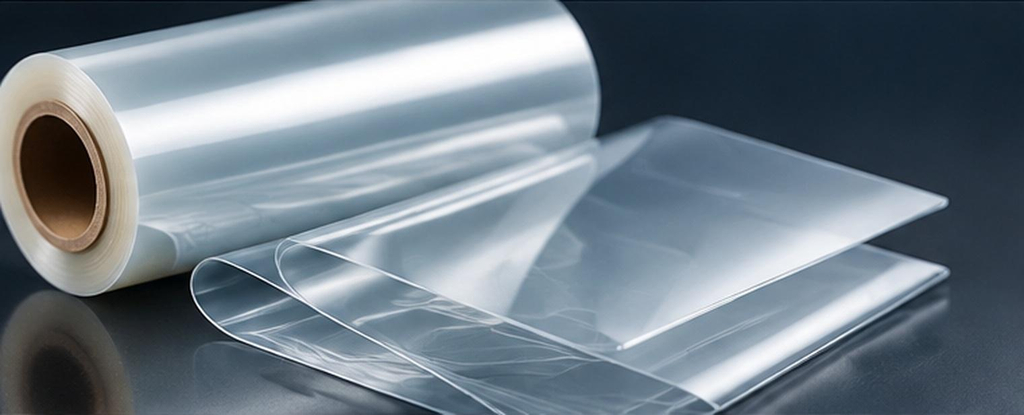
Flexible protectors, including hydrogel and PET-based films, bring additional considerations. The surface coating must be compatible with the polymer substrate and the complete film construction. The film may flex during installation or daily use, and its surface can be exposed to repeated friction from fingers, cleaning cloths, and accessories. A coating that performs well on a rigid glass sample should not automatically be assumed to perform identically on a flexible film.
YIZHEN’s Approach to Anti-Fingerprint Screen Protector Solutions
For screen protector brands and distributors, choosing an anti-fingerprint product involves more than looking at a coating specification. The substrate, surface finish, optical performance, touch experience, and overall product construction all need to work together.
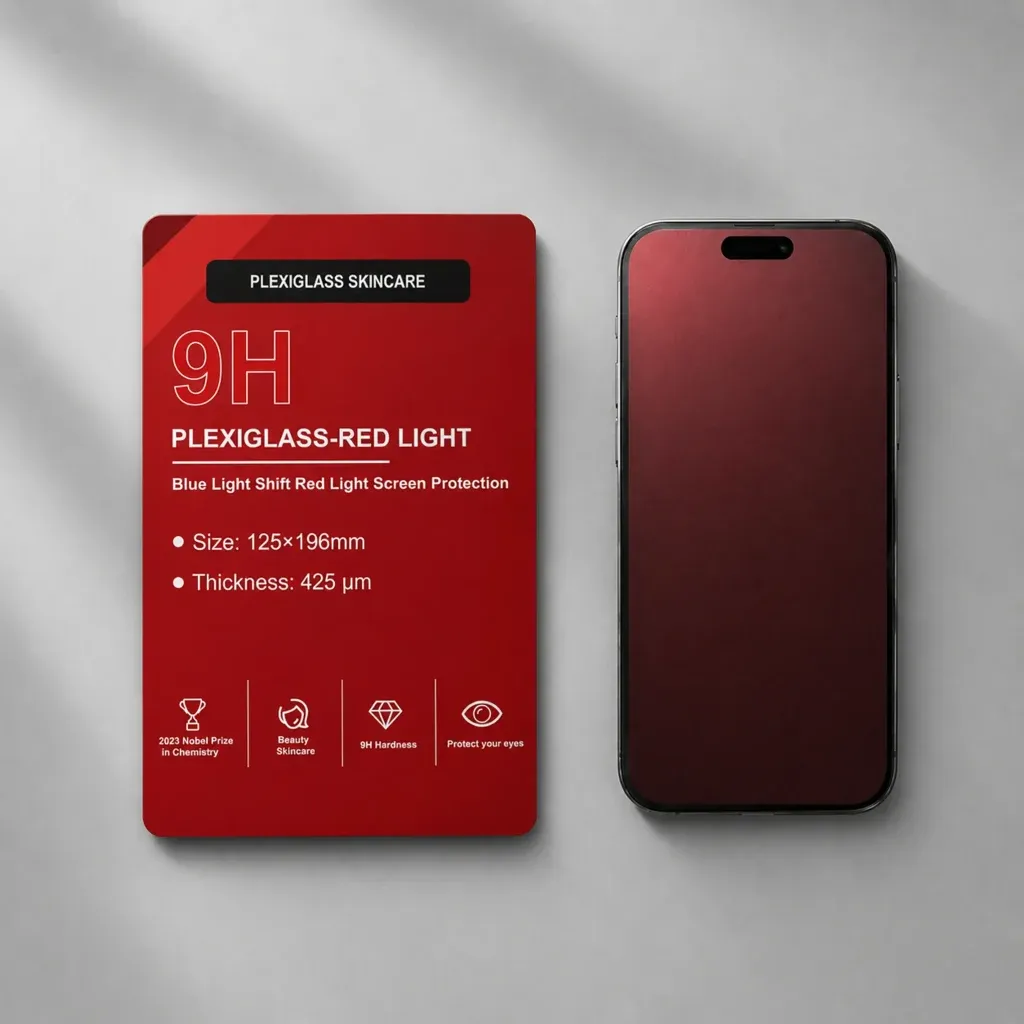
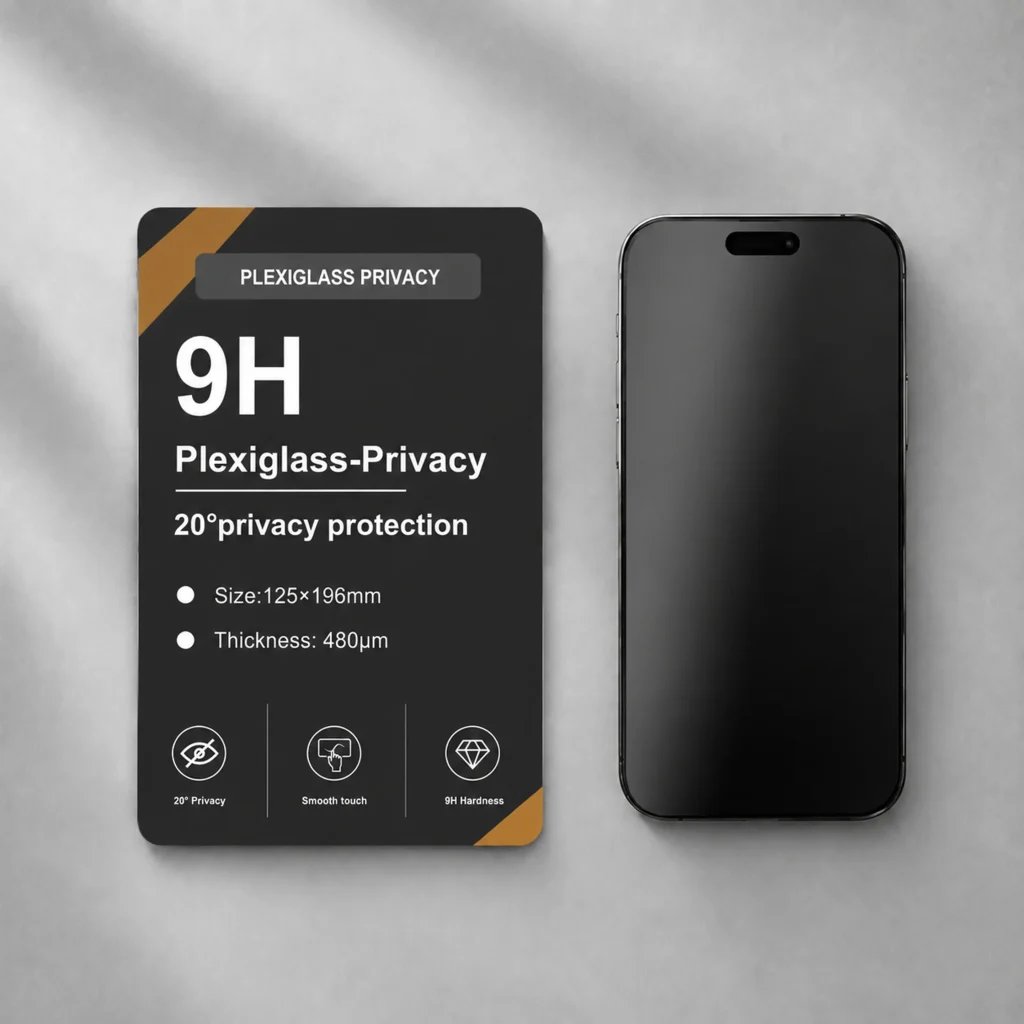
At YIZHEN, we develop a range of screen protection solutions for different market requirements. Our product portfolio includes 9H Plexiglass screen protectors, hydrogel films, and tempered glass products, with options such as HD clear, matte, privacy, and red light protection.
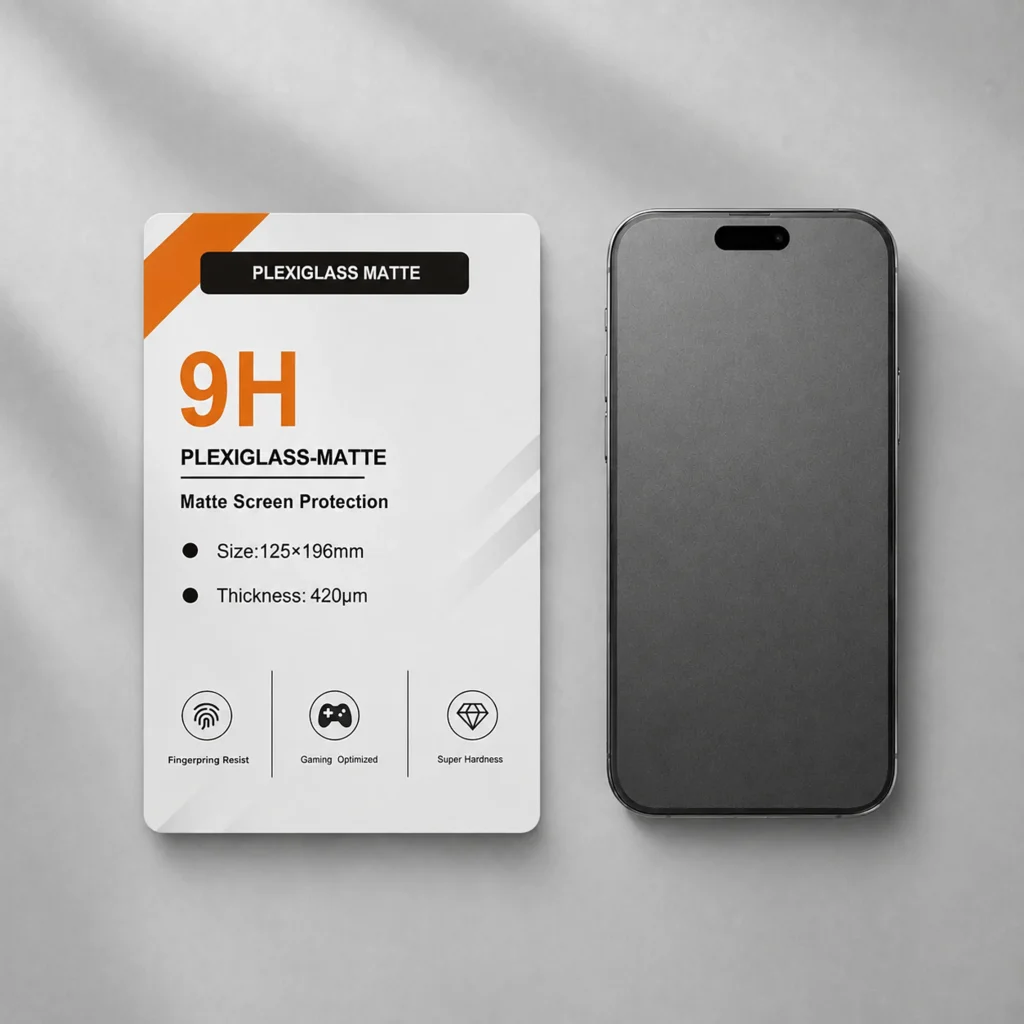
For customers looking for stronger anti-fingerprint performance, YIZHEN’s 9H Plexiglass Matte and 9H Plexiglass Privacy products are two relevant options. The Matte version is designed with a frosted surface, smooth touch, and anti-fingerprint properties, while the Privacy version combines oleophobic and anti-fingerprint features with 30-degree privacy protection.
Different materials and surface finishes require their own evaluation. This is why we encourage buyers to test the actual finished protector rather than relying only on a general coating description.
Whether you are developing a new screen protector brand or expanding an existing product line, YIZHEN can help you explore suitable product specifications and OEM/ODM solutions.
How Oleophobic Coatings Work
Many oleophobic treatments use low-surface-energy chemistry to reduce the tendency of oils to spread and adhere strongly. Fluorinated compounds have historically been used in some anti-smudge surface treatments, although coating formulations and regulatory requirements vary. Other surface technologies may also be used, depending on the substrate and the supplier’s process.
The coating is typically applied to a prepared surface through a controlled process. Depending on the technology, this may involve wet coating, spraying, dipping, or a vacuum-based deposition process. The surface may then require drying, curing, or another treatment to help the coating form and remain attached.
The final result is influenced by several connected factors:
- Surface preparation: Dust, oil, moisture, or residues can interfere with coating uniformity and bonding.
- Coating formulation: Chemistry affects oil repellency, water behavior, surface feel, and durability.
- Application control: Uneven application can create inconsistent performance across the protector.
- Curing and process conditions: Time, temperature, and equipment settings can influence the finished surface.
- Substrate compatibility: Glass, PET, TPU, and multilayer film constructions may require different process settings.
- Handling and packaging: Contact with contaminated tools or unsuitable packaging can affect the surface before the product reaches the customer.
This is why a coating specification should identify the actual product construction and process scope. A claim based on a coating supplier’s raw material data is not the same as a test result from a finished screen protector.

How Buyers Can Verify Anti-Fingerprint Performance
Buyers do not need to reproduce a coating factory’s entire quality system, but they should use a repeatable evaluation process. The goal is to compare samples under controlled conditions and confirm that the coating performs on the product that will actually be supplied.
Confirm the sample identity. Record the product model, substrate, thickness, coating version, production batch, and sample date. If a supplier sends a glass sample but the order is for hydrogel film, the result is not directly representative.
Inspect the surface before testing. Check for visible haze, streaks, pinholes, coating marks, dust, and uneven gloss. Inspect several areas rather than judging only the center. Keep a clean reference sample for comparison.
Use a consistent fingerprint test. Ask several testers to touch the sample using a consistent procedure, or use a controlled artificial sebum method if available. Keep the contact area, pressure, number of touches, and lighting conditions as consistent as possible. Photographs should be taken from the same angle and with fixed exposure and lighting.
Evaluate cleaning behavior. Wipe the surface with the same type of clean microfiber cloth, using a defined number of strokes and similar pressure. Record whether the oil mark disappears, spreads, or leaves a visible residue. Do not compare one sample after one wipe with another after repeated polishing.
Check the surface feel. Finger glide is a subjective but important part of the user experience. Use the same tester and a consistent method when comparing samples. A smooth feel alone does not prove oil repellency, so record it separately from cleaning performance.
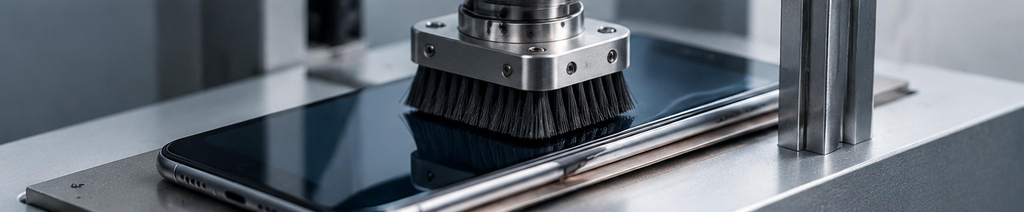
Repeat after wear simulation. A fresh coating may perform well but lose effectiveness after repeated contact and cleaning. Use a documented rub or abrasion procedure that reflects the intended product category. Record the test material, load, stroke count, and cleaning method.
Compare multiple pieces. Test more than one sample and, where possible, samples from different production runs. A single excellent sample does not establish batch consistency.
The most useful result is not simply “pass” or “fail.” It is a record that connects the sample identity, test conditions, observations, and agreed acceptance criteria.
How YIZHEN Approaches Product Testing and Quality Control
At YIZHEN, product quality evaluation should go beyond the appearance of a newly manufactured screen protector. Different performance requirements need to be checked against the actual product specifications and intended application.
Our quality management approach covers material inspection, production monitoring, and finished-product evaluation. Depending on the product category and testing requirements, relevant checks may include:
- Material inspection: Reviewing incoming materials and checking key specifications such as thickness and optical properties.
- Surface evaluation: Inspecting coating appearance, surface consistency, and relevant functional properties.
- Optical performance: Evaluating light transmittance and haze where applicable.
- Mechanical performance: Conducting product-specific hardness, impact, and durability evaluations.
- Batch consistency: Maintaining inspection records and quality checks throughout the production process.
For customers sourcing anti-fingerprint screen protectors, we recommend confirming the exact substrate, coating construction, test method, and acceptance criteria before mass production.
YIZHEN also provides sample evaluation and customization support, helping buyers review product performance before moving into larger orders.
The objective is simple: make sure that the approved sample and the finished product are evaluated against the same agreed specifications.
Contact Angle Testing: Useful, but Not the Whole Story
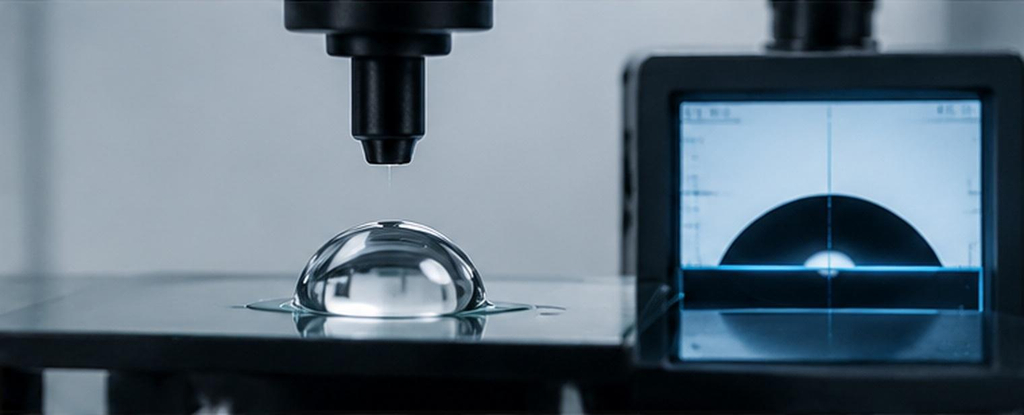
Contact-angle measurement is commonly used to evaluate surface wettability. A small droplet is placed on the sample, and an instrument measures the angle formed between the droplet and the surface. A larger water contact angle generally indicates that water spreads less readily under the test conditions.
For screen protector coatings, water contact angle can be a useful process-control indicator, especially when comparing samples made with the same substrate and test setup. Some buyers also request an oil contact-angle measurement or another method that is more directly related to oily contamination.
However, contact angle should not be treated as a complete fingerprint-resistance score. The result can vary with droplet volume, surface cleanliness, temperature, humidity, measurement timing, and instrument settings. A water droplet test does not directly show how a real fingerprint will look or how easily it can be wiped away.
Ask the supplier to state which liquid was used, the droplet volume, the measurement procedure, the number of test points, and whether the reported value is an average. If a contact-angle figure is included in a product specification, it should be tied to a defined method and a clear sample description.
For purchasing decisions, combine contact-angle data with fingerprint contamination tests, wipe-clean evaluation, and durability checks. This gives a more realistic picture of the surface in everyday use.
Durability: Does the Coating Last?
Anti-fingerprint performance can change through normal use. Fingers repeatedly contact the same areas, while cleaning cloths create friction across the surface. Dust particles trapped during wiping may also contribute to wear. The rate of change depends on the coating system, substrate, use pattern, and cleaning habits.
Buyers should ask for both initial and post-wear results. If a supplier reports a contact angle only on a new sample, it says little about how the surface behaves after repeated use. The same applies to attractive demonstration videos that show a single drop of water or oil sliding across a fresh coating.
A realistic specification might include initial surface performance, performance after a defined rub cycle, visual inspection, and a sample-to-sample consistency requirement. The values should be agreed with the supplier and validated on the finished product rather than copied from an unrelated coating datasheet.
Questions to Ask an Oleophobic Coating Supplier
Choosing an oleophobic coating supplier is not only about comparing quoted prices or headline contact-angle values. Buyers should understand what is being supplied, how it is applied, and how the supplier controls consistency.
Useful questions include:
– Is the coating intended for tempered glass, PET, TPU, hydrogel film, or another substrate?
– Is the quoted performance based on the raw coating, a coated substrate, or the complete finished protector?
– Which test method is used for water or oil contact angle?
– Are initial and post-abrasion results available?
– How is coating uniformity checked across the usable area?
– What are the supplier’s incoming-material and in-process quality controls?
– Can the supplier provide batch traceability and a sample inspection report?
– Which cleaning agents are compatible with the finished surface?
– Are there storage, handling, or shelf-life recommendations?
– Will the production process remain the same after sample approval?
If the coating is applied by a separate partner, clarify who is responsible for final-product inspection and corrective action. A strong raw-material supplier and a capable film converter both matter, but the buyer ultimately needs consistent performance from the finished screen protector.
A Practical Incoming Quality Checklist for Distributors
A fingerprint resistant film distributor often receives products from different factories, coating lines, or product categories. A simple incoming inspection plan helps identify obvious variation before stock is released to customers.
Start by checking the packaging, product identification, batch number, and protective liners. Inspect the film for dust, scratches, wrinkles, coating streaks, and edge contamination. Then select samples from different positions in the shipment rather than taking every test piece from the same small group.
For a basic comparison, keep one sample untouched as a reference. On the remaining samples, perform a controlled fingerprint application and microfiber wipe test. Record the number of wipes needed to reach the agreed visual standard. If laboratory equipment is available, add contact-angle measurements using a documented method.
The distributor should also consider the complete customer experience. Test the protector on a representative phone display, check touch response, and confirm that the surface remains visually acceptable under indoor and bright-light conditions. For flexible films, follow the installation procedure and allow the adhesive and film to settle as instructed before evaluating the final appearance.
Keep photographs and test records linked to the batch. If a customer reports excessive smudging, these records make it easier to compare the complaint with retained samples and identify whether the issue is related to the coating, handling, cleaning instructions, or another part of the construction.
An incoming checklist does not need to be complicated. It needs to be repeatable, documented, and aligned with the product specification agreed with the manufacturer.
Common Mistakes When Comparing Anti-Fingerprint Claims
One frequent mistake is treating water beading as proof that fingerprints will disappear. Water repellency can be a useful surface indicator, but oily fingerprints behave differently. Buyers should request evidence that addresses oil contamination and wipe-clean performance.
It is also easy to overvalue a single contact-angle number. Without a test method, measurement conditions, and post-wear data, the number has limited meaning. A higher value is not automatically better in every respect, particularly if the surface feel, optical appearance, or durability is unsatisfactory.
Frequently Asked Questions
Does anti-fingerprint coating stop fingerprints completely?
No. It is designed to reduce fingerprint visibility, oil adhesion, or cleaning effort. The result depends on the coating and usage conditions. Fingerprints may still appear, particularly under strong light or after heavy contact.
Is oleophobic coating the same as anti-fingerprint coating?
They are closely related, but not identical terms. Oleophobic describes oil-repelling surface behavior. Anti-fingerprint is a broader description of the intended user benefit and may include reduced smudging and easier cleaning.
Can a water contact-angle test prove oleophobic performance?
Not by itself. Water contact angle measures water wettability. It can help monitor a surface process, but oil-related testing and practical fingerprint evaluation are needed for a fuller assessment.
Does the coating work the same on glass and hydrogel film?
Not necessarily. Substrate chemistry, flexibility, surface preparation, coating formulation, and processing conditions can affect performance. Test the exact finished construction that will be sold.
How often should a screen protector be replaced?
There is no universal replacement interval. Users should consider visible wear, cleaning performance, scratches, lifting, and the manufacturer’s care guidance. A coating test cannot by itself define a fixed service life.