
Rain hits your visor at speed and you can’t read the road for half a second. A bug cements itself onto the plastic on a night ride home. You wipe it with a glove and the smear is worse than the bug. Your helmet visor is your first windscreen, and it takes a beating that the original factory coating was never designed to handle. The open road is part of why riders ride; not being able to see it is the part that ruins the day. These are the four problems most riders just put up with:
Rain and mud
Light drizzle refracts enough to blur the road, and a single raindrop can scatter a headlight into a starburst. Wipe mud with a glove and it smears across the view instead of clearing it, leaving you effectively blind for the next corner. It’s the reason most riders feel unsafe in poor weather, and the moment most of them start shopping for a solution.
Bugs and oil
After a mountain run or a summer night ride, the visor becomes a graveyard for insects. Their acidic fluids can etch into the original coating if left overnight, and water alone won’t shift the residue. The longer the splatter sits, the more permanent the damage becomes, and a visor that looked new on Monday can look pitted by Friday.
Scratches and night glare
Repeated wiping drags fine dust across the surface and leaves micro-scratches that you can’t see by day. At night they scatter oncoming headlights into glare that makes riding genuinely dangerous. Stock visors scratch faster than most riders realise, because the factory anti-fog coating is softer than the plastic underneath it.
Replacement cost
A visor from SHOEI, ARAI, or AGV costs enough that replacing one every few months stings. Over the life of a helmet, unprotected visors often get swapped two or three times, which adds up faster than the helmet itself. The film is the cheap, replaceable layer; the original visor underneath keeps lasting for years.
How Yizhen’s protective film solves all four
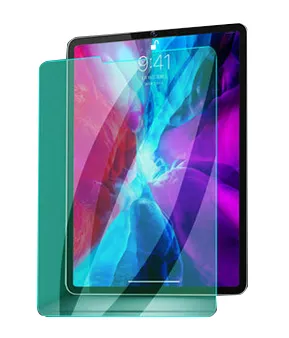
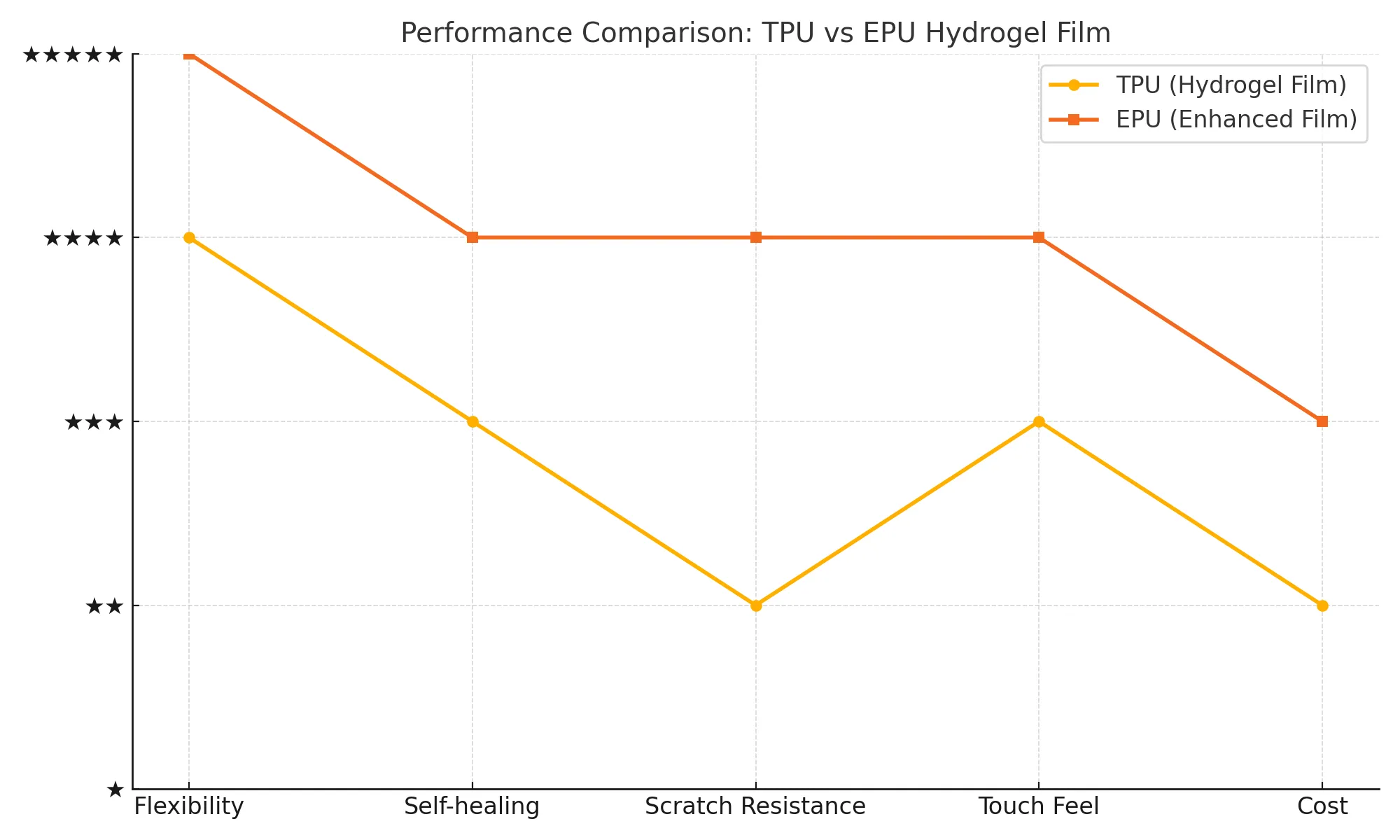
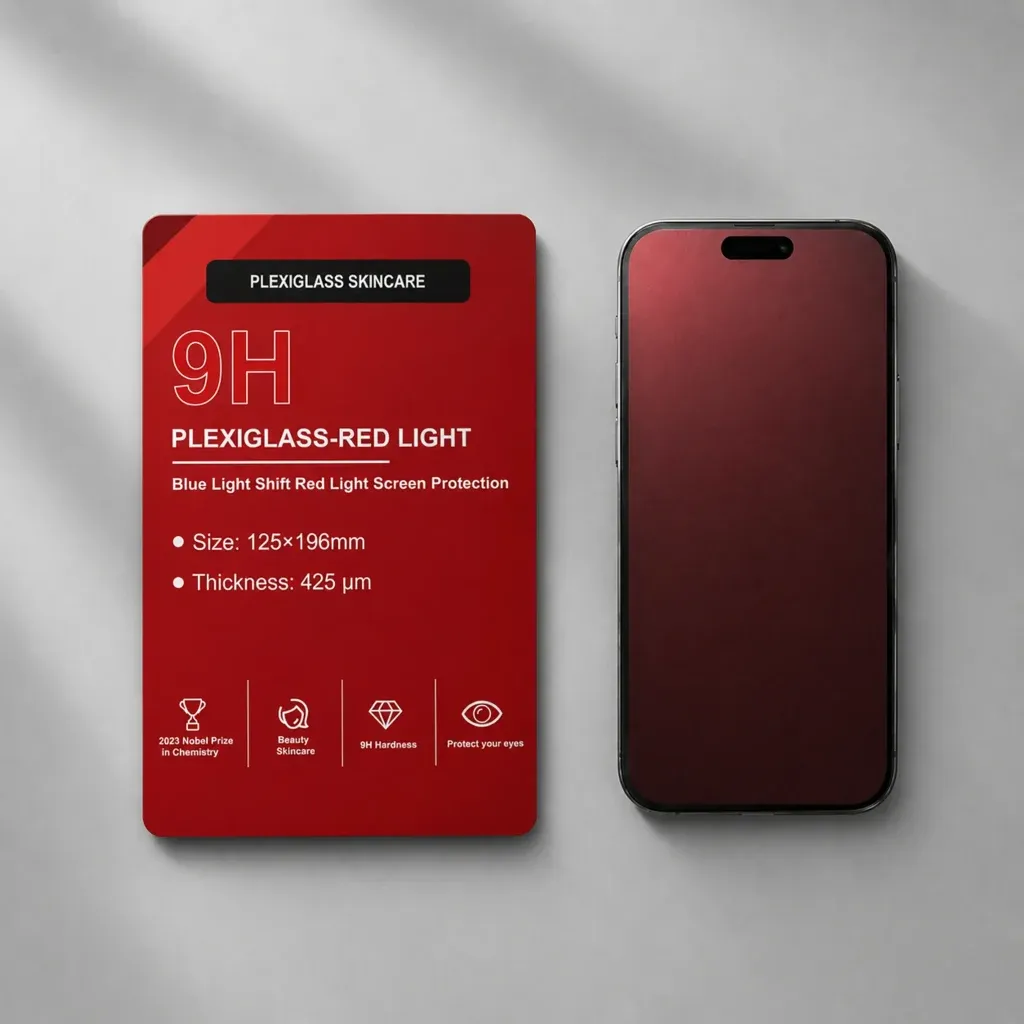
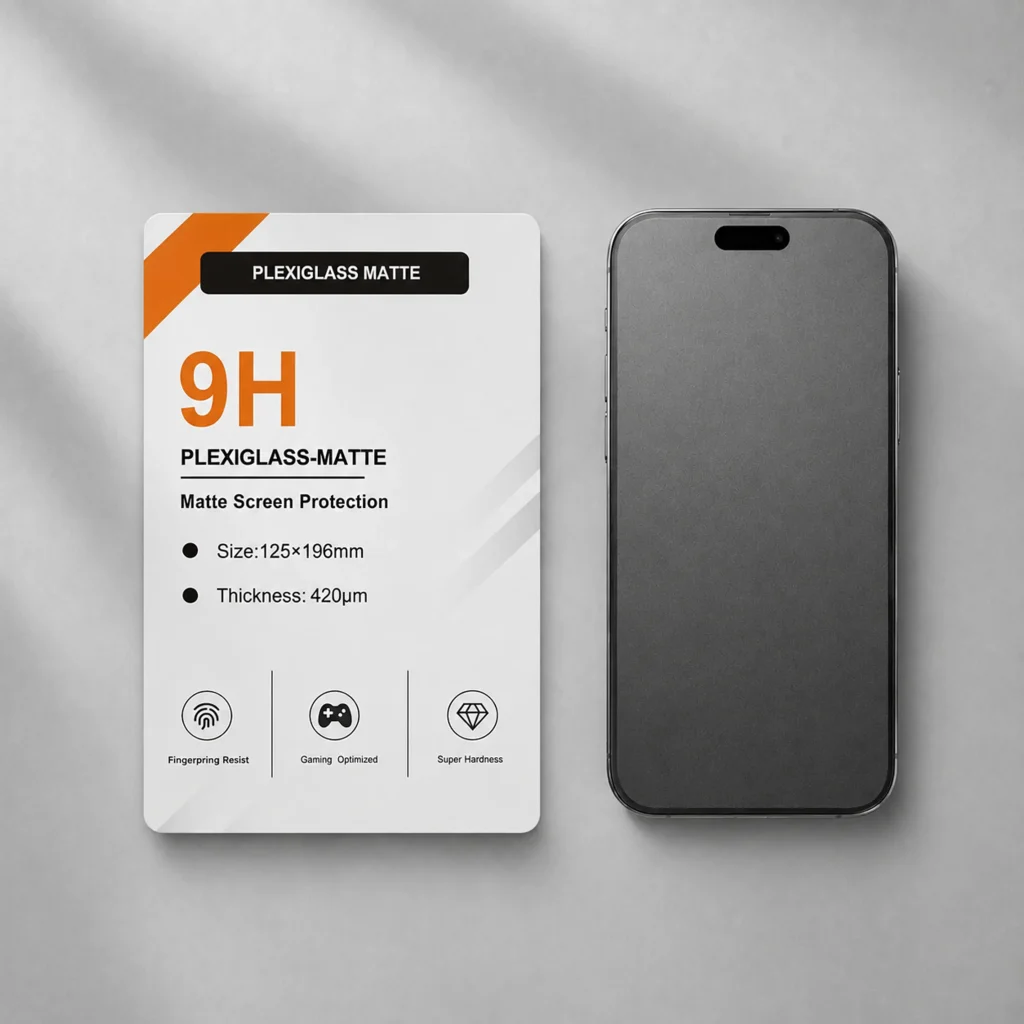
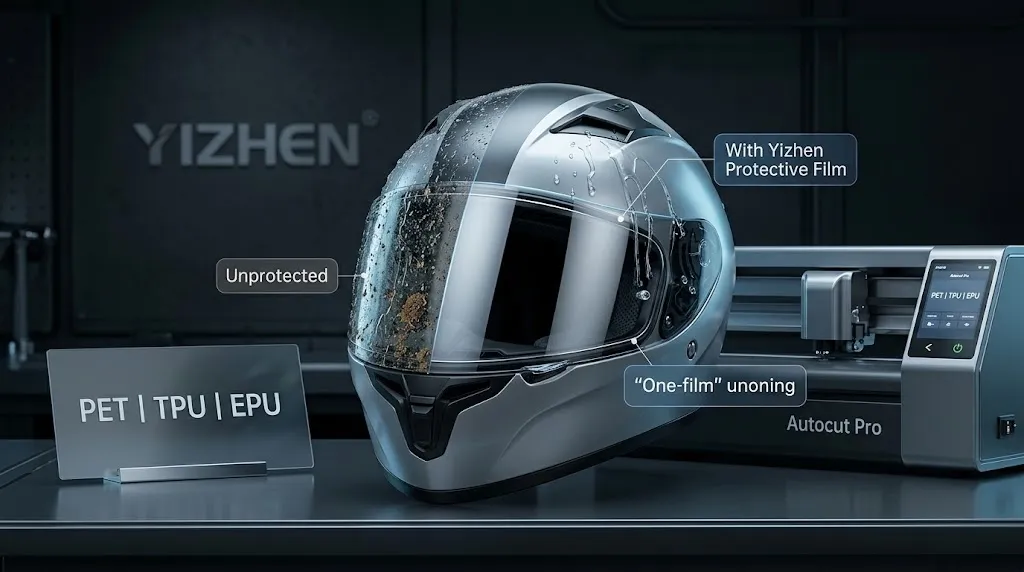
Shenzhen Yizhen Technology Co., Ltd. has been working on screen and curved-surface protection since 2009. The same hydrophobic and oleophobic chemistry that goes onto phone screens and instrument clusters now covers helmet visors in three materials: PET, TPU, and EPU. Riders can pick the trade-off that fits their budget and their climate.
Hydrophobic and oleophobic coating
The film’s nano-level surface beads rain and mud off at speed, so you don’t need to wipe in the first place. Bug splatters and greasy road film don’t bond to it, and most of what does land lifts off with water and a tissue. The result is a visor you can ride with through a wet commute without thinking about it.
Self-healing on TPU and EPU
Light scratches from dust disappear on their own at room temperature, usually within a few hours. The visor’s original coating underneath stays untouched, so the resale value of a high-end helmet holds up. TPU and EPU are the choice for daily riders and touring bikes; PET is the budget pick for clear, single-layer protection with maximum light transmission.
Custom fit with Autocut Pro
Hundreds of helmet shapes exist, and a pre-cut film rarely matches a deeply curved visor. Pick a helmet from the cloud database, place the visor on the Autocut Pro cutter, and it scores a film to fit on the spot. No bubbles, lifted edges, or guessing which SKU you need at the counter.
For distributors and offline stores, the package is the part that matters. Shenzhen Yizhen Technology Co., Ltd. supplies the film, the cutting hardware, and the cloud database together, so a store can stock one protective film and still cover every helmet shape a customer brings through the door. It’s a service you can sell around the original visor rather than a single SKU on the shelf, and the cutter pays for itself the first time a customer walks in with an unusual lid.
Distributors interested in stocking the film and the Autocut Pro system, or shops that want to add custom-fit visor protection to their service menu: get in touch.