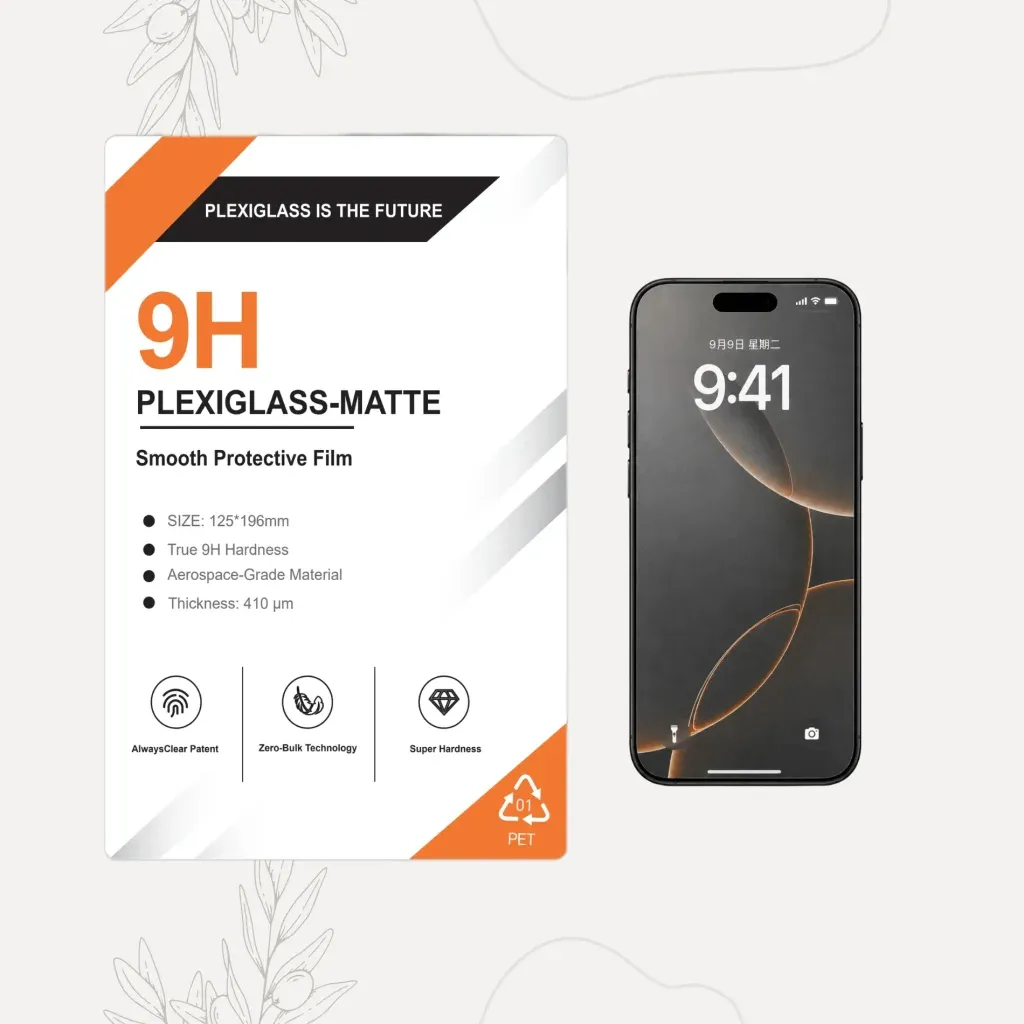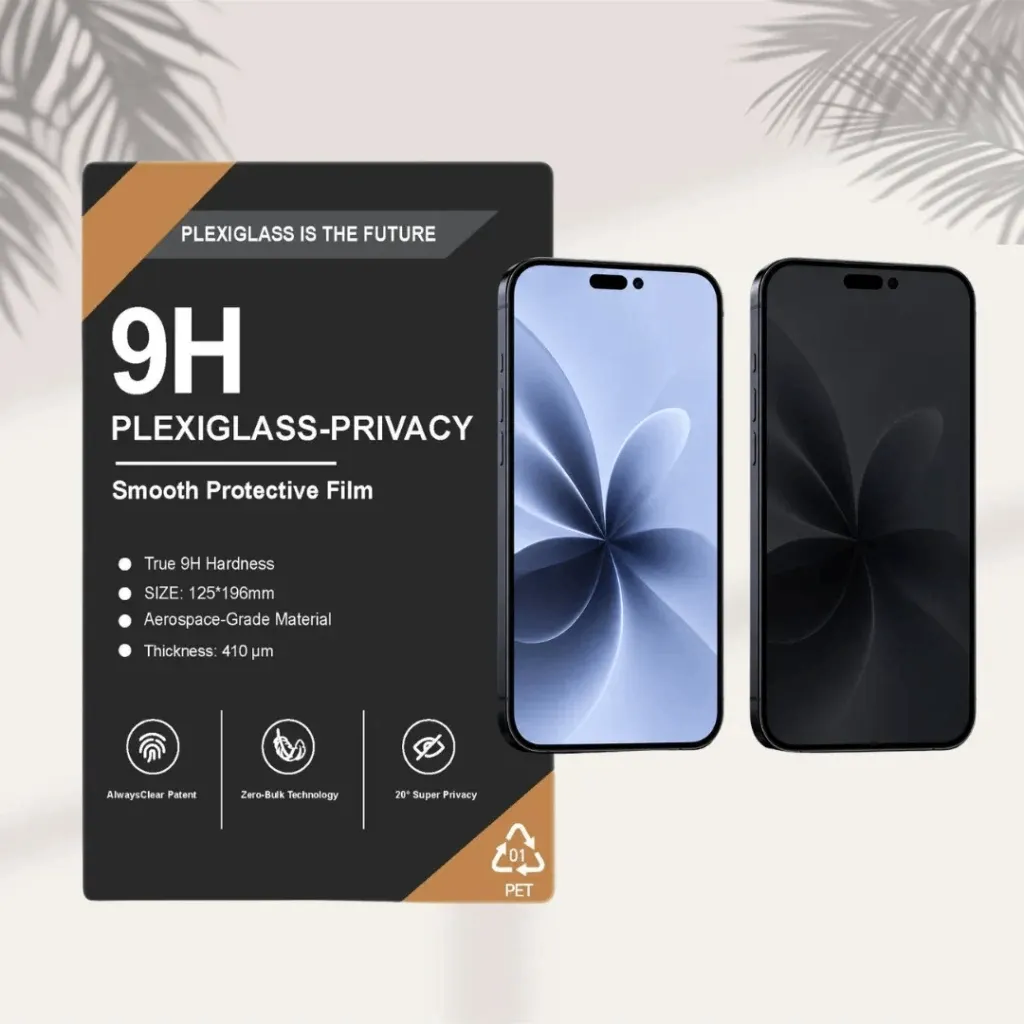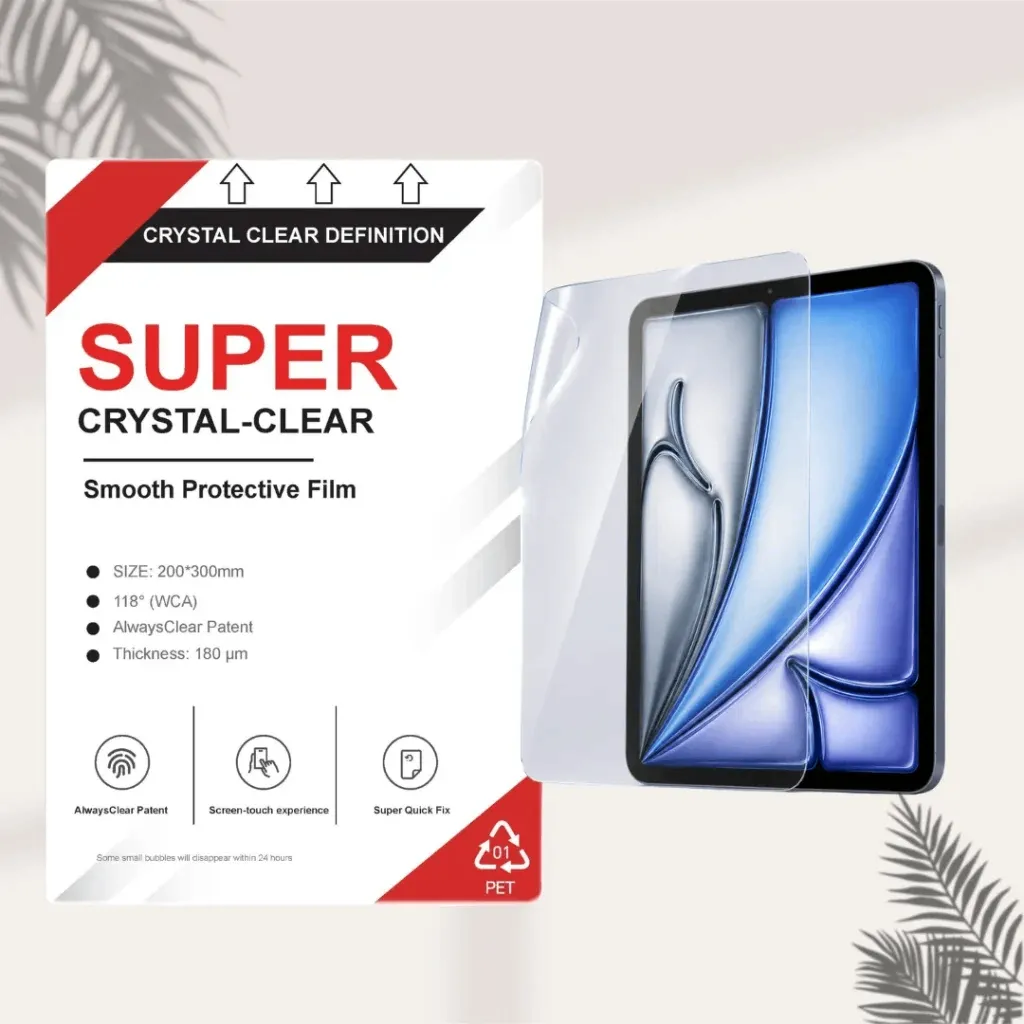
In 2026, smartphone screens have reached unprecedented hardness—flagship models like the iPhone 17 Series (Ultra Ceramic Crystal, Mohs 7), Huawei Mate 70/Pura 80 (Kunlun Glass 3.0, Mohs 7.6), and Xiaomi 16/OPPO Find X8 (Corning Gorilla Glass Ceramic 3) boast 1.5–2m drop resistance. Yet screen protectors remain indispensable, and the battle between tempered glass and hydrogel screen protectors intensifies with groundbreaking material innovations. This article breaks down the latest tech, product launches, and user insights to help you choose wisely.
1.Market & Tech Overview: Diverging Paths
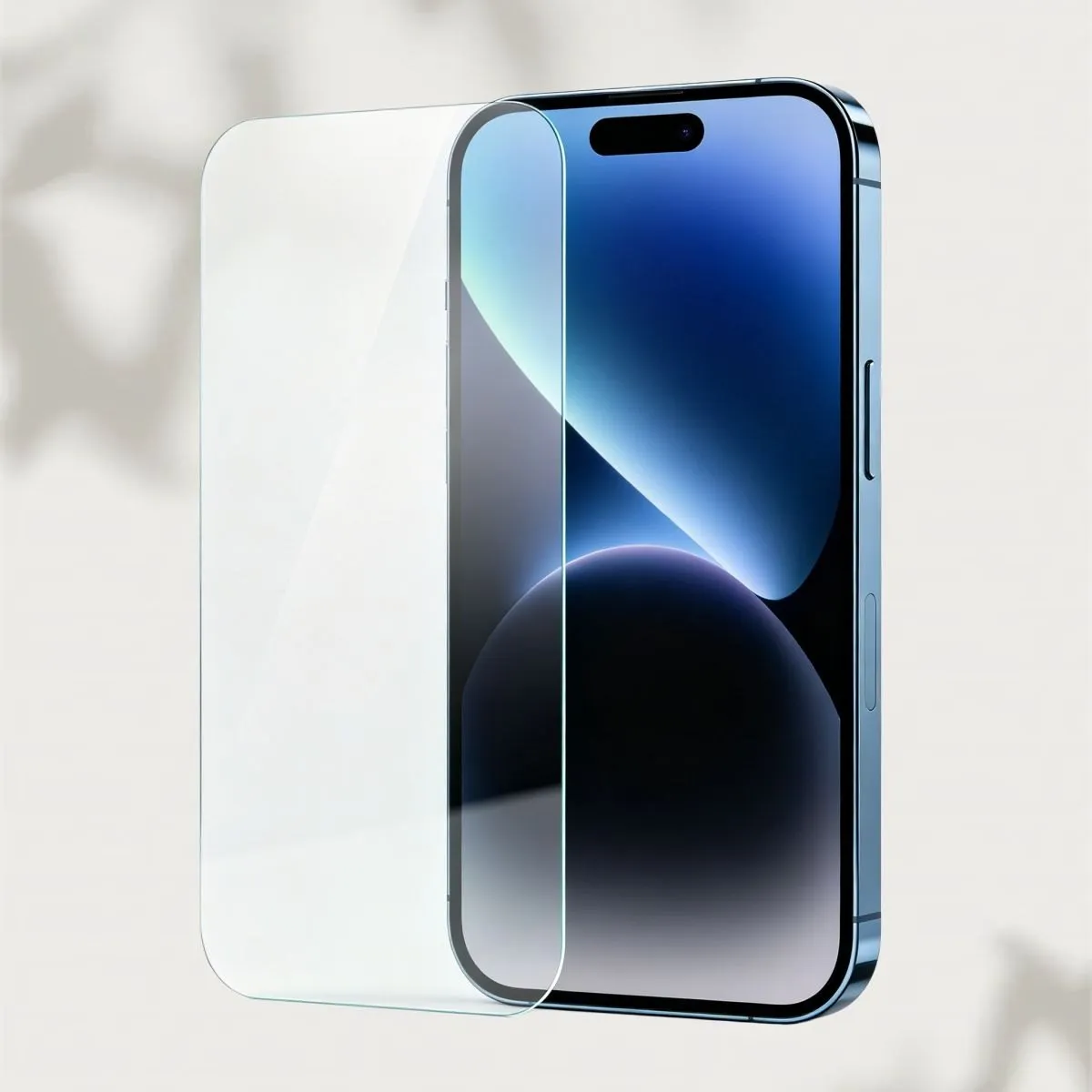
Tempered Glass: Hardness & Durability Redefined
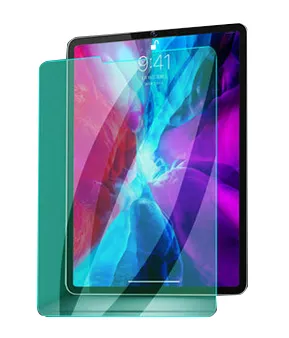
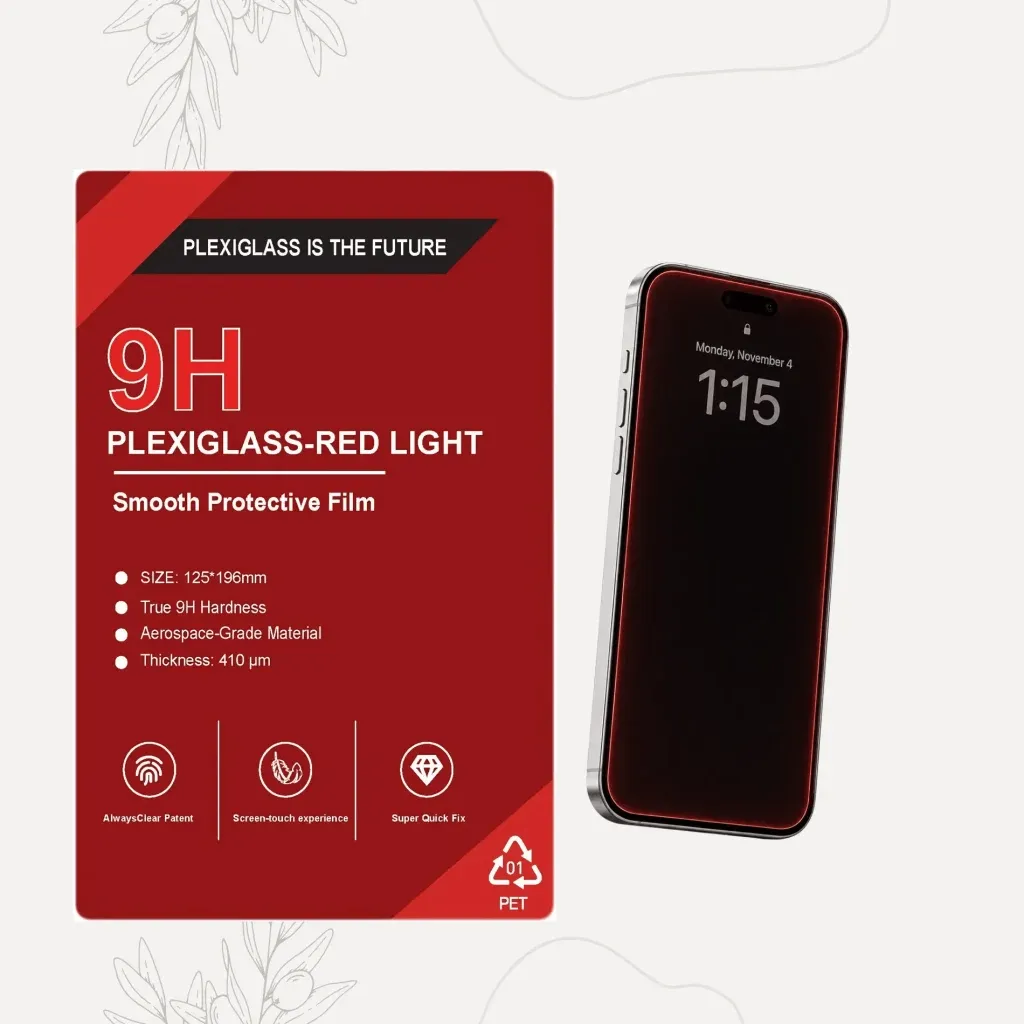
Tempered glass dominates 62.3% of the screen protector market, favored for its 9H+ hardness, 99% light transmittance, and finger-glide feel identical to bare screens. 2026 breakthroughs focus on ultra-thin strength and advanced coatings:
High-Aluminum Silicon & UTG Materials: Brands like AiUV (April 2026) launched the first “High-Aluminum Silicon UTG” tempered glass (≈0.06mm thick, ≥20% aluminum content), borrowing foldable screen inner cover tech for 30kg structural pressure resistance and 10,000+ wear cycles.
Graphene Reinforcement: ZAGG’s March 2026 InvisibleShield for Galaxy S26 uses graphene to boost strength 11x vs. standard glass, with blue-light filtering.
AR Anti-Glare & 3D Hot Bending: Benks’ 2026 Crystal Shield Ultra features 3D hot bending + German Rhein TÜV-certified AR coating, eliminating rainbow patterns and improving outdoor visibility.
Hydrogel: Flexibility & Self-Healing Upgraded
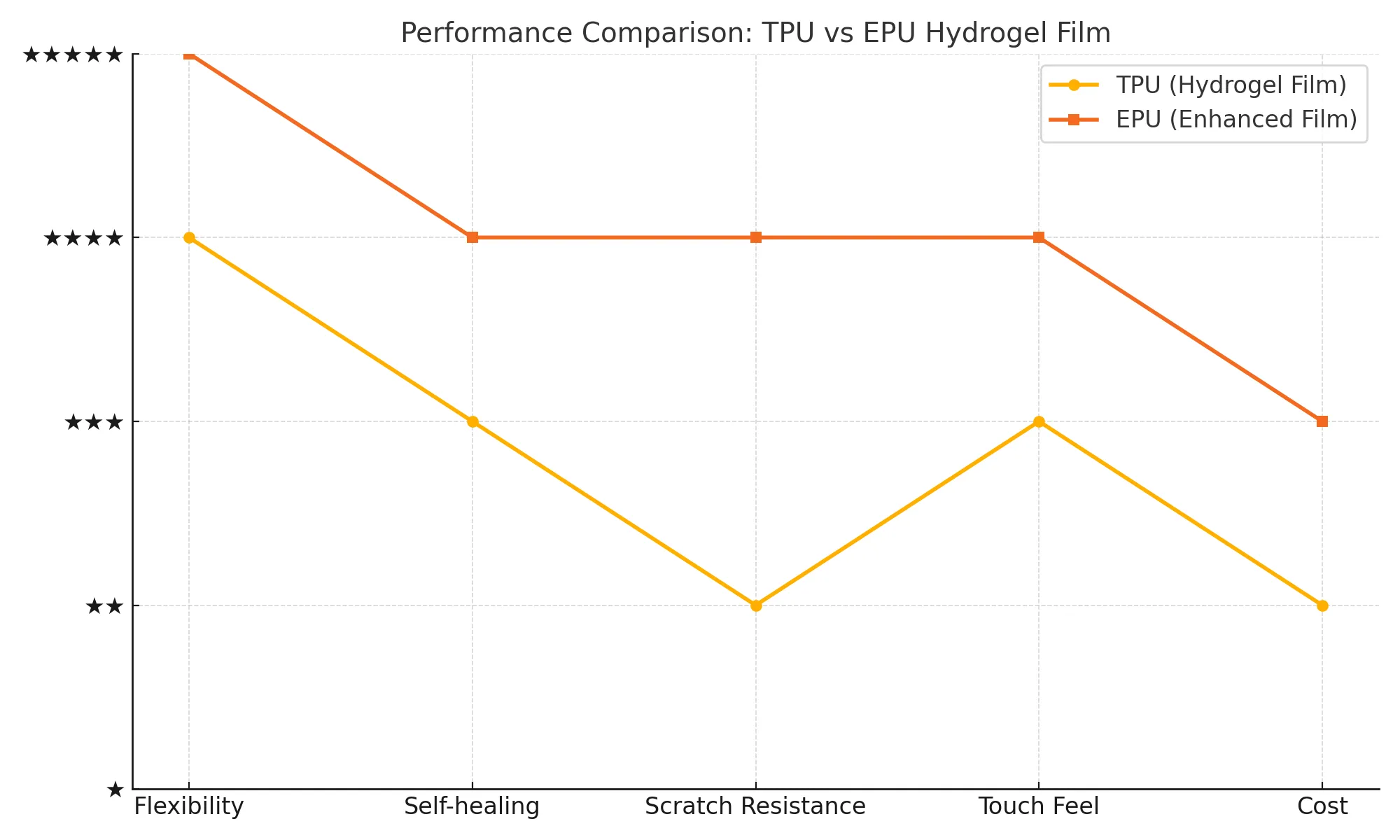
Hydrogel (TPU-based) thrives in curved/foldable screens, with 2026 demand surging 34% (230 million pieces) due to foldable popularity. Key upgrades:
Enhanced Self-Healing: New polymer matrices erase micro-scratches in 8–12 hours (down from 24h), with improved scratch resistance (up to 4H).
Ultra-Thin & High Transparency: 0.15–0.2mm thickness (half of tempered glass) with 92%+ transmittance, optimized for under-display fingerprint sensors.
Foldable-Specific Formulations: For Huawei Mate X5/Samsung Z Fold, hydrogel now uses multi-layer TPU + PET composites to resist creasing after 100,000 folds.
最新新闻整理及英文文章撰写-edited-1024x576.webp)
2.How to Choose in 2026?
Choose Tempered Glass If: You own a flat/curved flagship (iPhone 17, Xiaomi 16), prioritize drop/scratch protection, and prefer glass-like feel. Opt for 0.2–0.3mm high-aluminum models with durable oleophobic coatings.
Choose Hydrogel If: You own a foldable phone, value edge-to-edge coverage and self-healing, or want ultra-thin invisibility. Avoid cheap $1 hydrogels—they yellow in 1 month.
Hybrid Alternative: Brands like Spigen/Nillkin offer layered protectors (hydrogel base + hardened top), balancing flexibility and scratch resistance—ideal for heavy users.
3.Conclusion: Coexistence, Not Replacement
2026 is not about “tempered glass vs hydrogel”—it’s about choosing the right tool for the job. Tempered glass remains the hardness champion for conventional screens, while hydrogel is the flexibility king for foldables. With innovations like graphene glass and self-healing TPU, both will evolve to meet diverse user needs.
| do i need a screen protector on my cell phone |
| do screen protectors work |
| do tempered glass screen protector work |