In einer Zeit, in der sich Smartphones und mobile Geräte rasant in Richtung gebogener, faltbarer Bildschirme mit hoher Bildwiederholfrequenz entwickeln, durchläuft die Branche für Displayschutzfolien einen beispiellosen technologischen Wandel. Hydrogel- und flexible Displayschutzfolien haben dank ihrer hervorragenden Haftung auf gekrümmten Oberflächen, ihrer ultradünnen, kaum spürbaren Beschaffenheit und ihrer herausragenden bruchsicheren, selbstheilenden Eigenschaften schnell einen bedeutenden Anteil am globalen Markt für Unterhaltungselektronik-Zubehör erobert.
In den tatsächlichen Rückmeldungen von B2B-Händlern, Einzelhandelsgeschäften und Verbrauchern bleiben jedoch der “anfängliche Reibungswiderstand” und die “unzureichende Haltbarkeit der oleophoben Beschichtung” die zentralen Probleme, die das Benutzererlebnis bei flexiblen Folien beeinträchtigen. Viele Nutzer berichten, dass neu aufgebrachte Hydrogel-Folien beim Wischen eine spürbare Reibung aufweisen und sich die oleophobe Beschichtung vorzeitig abnutzt, was zur Ansammlung von Fingerabdrücken und einer Verschlechterung der taktilen Gesamtqualität führt.
Dieser Artikel bietet eine eingehende Analyse der zugrunde liegenden Mechanismen des Phänomens der “klebrigen Haptik” bei Hydrogel- und flexiblen Displayschutzfolien aus den Perspektiven der Materialchemie, Oberflächenphysik und Fertigungstechnik und beleuchtet dabei branchenführende Optimierungsstrategien und technische Ansätze.
Die physikalischen und chemischen Mechanismen, die für die “raue Haptik” von Hydrogelmembranen und flexiblen Membranen verantwortlich sind
Um das Problem des Gleitwiderstands von Hydrogel-Filmen zu lösen, muss zunächst die Ursache für ihren Oberflächenreibungskoeffizienten verstanden werden.
Viskoelastizität von Polymerwerkstoffen und Oberflächenpolymersegmenten
Im Gegensatz zu starren Schutzgläsern aus gehärtetem Glas weisen Hydrogel-Folien und flexible Displayschutzfolien (wie TPU, EPU und andere hochmolekulare Polymere) eine typische Viskoelastizität auf. Wenn ein Finger die Oberfläche einer flexiblen Folie berührt oder darüber streicht, verursacht das Fingerkuppel eine mikroskopische Verformung oder Vertiefung im flexiblen Polymer. Diese Verformung vergrößert die mikroskopische Kontaktfläche zwischen den Polymerkettensegmenten und der Haut erheblich, was zu einer deutlichen Erhöhung sowohl der statischen als auch der kinetischen Reibung führt – mit dem Ergebnis eines deutlich spürbaren “klebrigen” oder “klebrigen” Gefühls.
Haftungs- und Kristallisationsfehler bei herkömmlichen aufgesprühten oleophoben Beschichtungen
Um die Oberflächenspannung und die Reibungskoeffizienten zu verringern, setzt die Industrie üblicherweise nanooleophobe Beschichtungen (wie Organofluorverbindungen/Fluorsilane) ein. Die Oberflächenenergie flexibler Substrate (TPU/EPU) unterscheidet sich jedoch erheblich von derjenigen anorganischen Glases. Herkömmliche oleophobe Sprühverfahren haben Schwierigkeiten, dichte und gleichmäßige kovalente Bindungen auf flexiblen Substraten zu bilden:
Ungleichmäßige Beschichtung: Neigt zur Bildung mikroskopisch kleiner Poren, was zu einem übermäßig hohen Anfangsreibungskoeffizienten führt.
Schlechte Haftung: Durch tägliches Abwischen und häufiges Wischen mit den Fingern blättert die oleophobe Schicht leicht ab, wodurch der Hydrogel-Film schnell seine Glätte verliert.
Rückstände aus der Verarbeitung und unvollständiger Aushärtung
Wenn beim Stanzen, Laminieren oder bei der UV-Härtung von Hydrogel-Folien Spuren von Trennmitteln oder Klebstoffkomponenten aus der Schutzfolie auf die Oberfläche der Hauptfolie gelangen oder wenn die Oberflächenbeschichtung nicht ausreichend Aushärtungsenergie erhält, kann dies zu einem “klebrigen” oder “klebriges” Gefühl auf der Oberfläche direkt ab Werk.

Technischer Kernansatz zur Optimierung der Anlaufreibung
Um die anfängliche Rauheit von Hydrogel-Folien und flexiblen Displayschutzfolien zu beseitigen und bereits beim Auspacken ein “gletscherseidiges” Gefühl zu erzielen, haben Werkstoffingenieure und Hersteller bahnbrechende Fortschritte in der Oberflächenmodifizierungstechnologie erzielt:
Vakuum-galvanische AF-Beschichtung
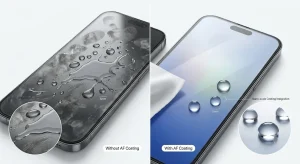
Im Vergleich zum herkömmlichen Nassspritzverfahren oder zur Tauchbeschichtung lässt sich beim Vakuumgalvanisieren in einer Hochvakuumumgebung eine gleichmäßige AF-Beschichtung (Anti-Fingerprint) aus Fluormolekülen auf die Oberfläche eines flexiblen Substrats aufbringen.
Hohe Dichte: Der so entstehende Fluor-Nanofilm ist gleichmäßiger und dichter, wodurch der dynamische Reibungskoeffizient (CoF) deutlich verringert wird;
Sofort glatt: Beseitigt vollständig die Nachteile herkömmlicher Nassbeschichtungen, die lange natürliche Aushärtungszeiten erfordern oder auf das Abwischen angewiesen sind, um eine glatte Oberfläche zu erzielen, und sorgt so direkt nach dem Auspacken für ein ultraglattes Gefühl.
Technologie zur Mischung und Vernetzung oleophober Polymere mit dem Substrat
Durch eine Anpassung der TPU/EPU-Matrixformulierung werden Siloxan- oder Fluoralkylsegmente mit niedriger Oberflächenenergie in die Polymermolekülkette eingebracht. Diese selbstschmierende Molekülstruktur kann in das Material eingebettet werden, und selbst wenn die Oberflächenbeschichtung unter extrem rauen Bedingungen beschädigt wird, sorgen die reibungsarmen Moleküle im Inneren des Substrats weiterhin für ein angenehmes, gleitendes Gefühl.
Oberflächentechnik für matte und seidige Oberflächen
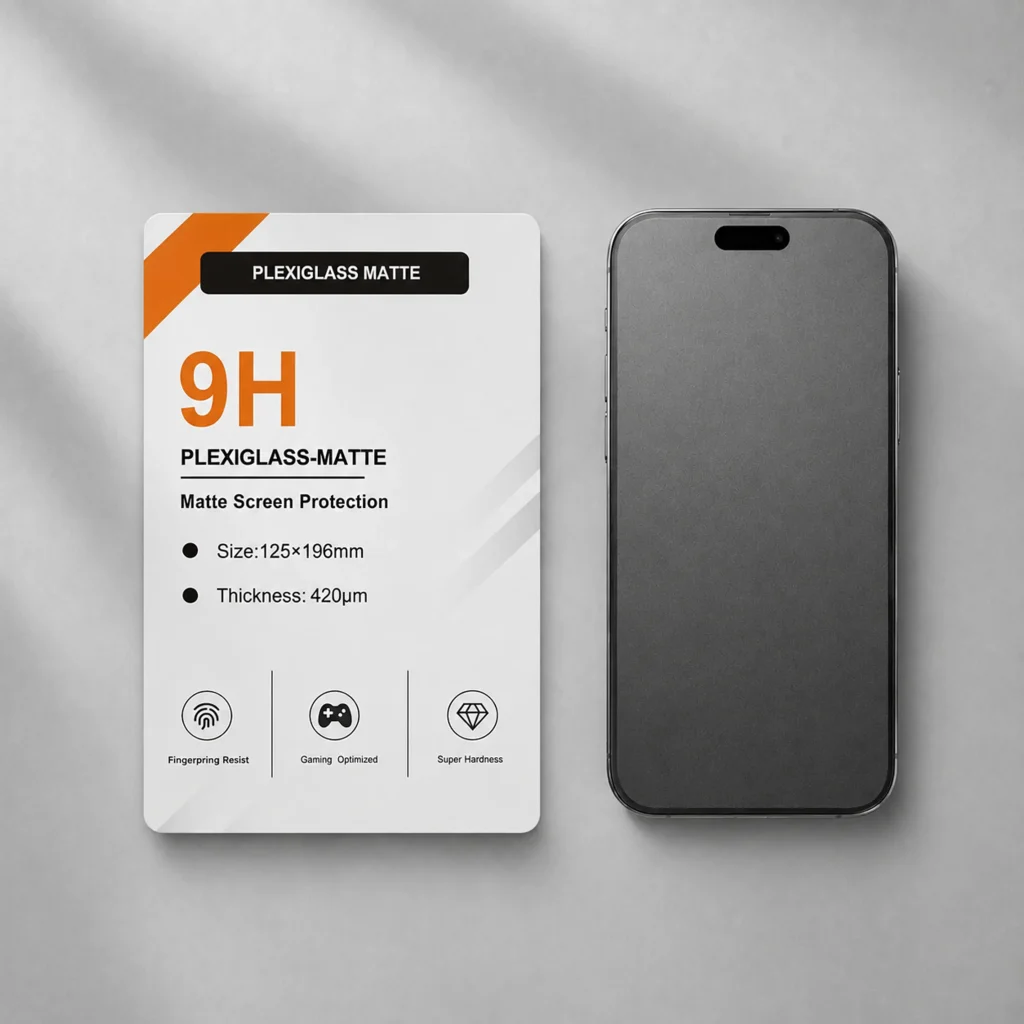
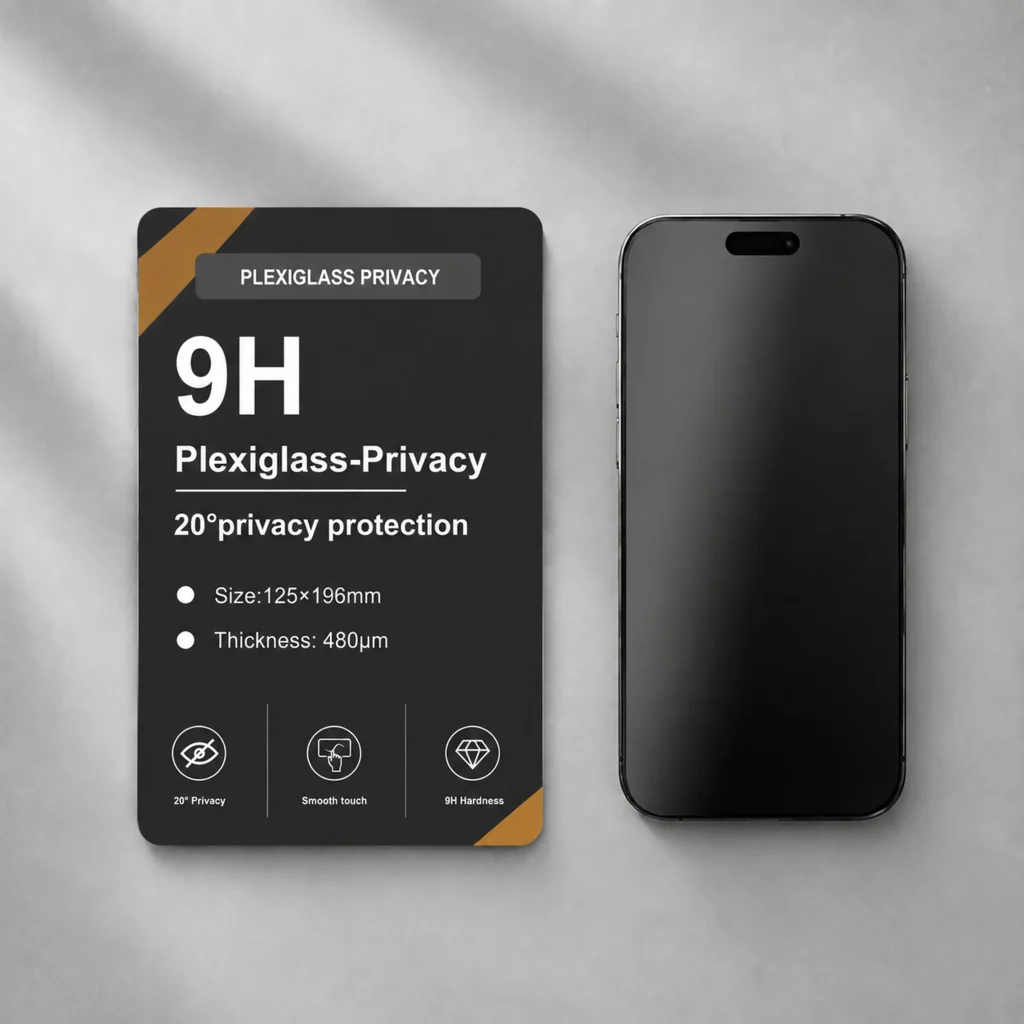
Bei matten oder blickdichten flexiblen Displayschutzfolien wird die Oberflächenrauheit (Ra- und Rz-Parameter) mithilfe von Ätz- oder Beschichtungsverfahren im Mikrometerbereich gesteuert. Durch die Optimierung der Mikrostruktur wird die Kontaktfläche zwischen den Fingerspitzen effektiv verteilt, die Reibung verringert und starke Farbstörungen (Regenbogenmuster) sowie Bildunschärfen vermieden.
Technische Lösungen zur Verbesserung der Haltbarkeit von oleophoben Beschichtungen und flexiblen Folien
Ein angenehmes Gefühl bei der ersten Anwendung ist nur der erste Schritt. Der wahre Test für die Qualität einer flexiblen Membran liegt in ihrer Fähigkeit, die AlwaysClear-Leistung über Monate oder sogar Jahre hinweg aufrechtzuerhalten.
Die Zwischengrundierungsschicht verstärken
Zwischen dem TPU/EPU-Substrat und der oleophoben AF-Beschichtung wird eine Übergangsschicht (Primer) im Nanobereich eingebracht. Unter Verwendung bifunktioneller Moleküle als “Brücke” wird ein Ende fest an das organische Polymersubstrat gebunden, während das andere Ende eine stabile kovalente chemische Bindung mit der Fluorbeschichtung eingeht, was die Verschleiß- und Abziehfestigkeit erheblich verbessert.
Strenge Normen für Reibungsprüfungen und Qualitätskontrolle
Hochwertige flexible Displayschutzfolien müssen vor dem Verlassen des Werks strenge Haltbarkeitstests im Labor bestehen:
Reibungszyklustest: Umfangreiche Reibungsversuche mit über 3000 Zyklen unter Verwendung von industrieller Stahlwolle, wobei ein hoher Wasserkontaktwinkel beibehalten wurde;
Umweltbelastungstest bei hohen und niedrigen Temperaturen: Überprüfung der Abriebfestigkeit der Beschichtung unter Bedingungen mit hohen Temperaturen und hoher Luftfeuchtigkeit, um den Verbrauchern in verschiedenen Klimaregionen weltweit eine gleichbleibende Haltbarkeit zu gewährleisten.

Branchenführende Lösungen zum Schutz von Bildschirmen
Als innovativer Anbieter im Bereich des Displayschutzes, YIZHEN Technology konzentriert sich auf die enge Verzahnung von Materialwissenschaft und Präzisionsfertigung und hat sich auf die Forschung, Entwicklung und Produktion der “AlwaysClear”-Technologie sowie hochwertiger flexibler Displayschutzlösungen spezialisiert.
Technologische Innovation und fortschrittliche Fertigung
Modernisierte Produktion und Präzisionsfertigung: Ausgestattet mit einem staubfreien Raum der Klasse 10.000 und hochpräzisen Produktionslinien für Beschichtung und Stanzung;
Automatisierung im industriellen Maßstab: Einführung von Mehrstationen-Rotationsstanzanlagen und Vakuumgalvanisierungsanlagen zur Erzielung einer Präzisionssteuerung im Mikrometerbereich;
Strenges Qualitätssicherungssystem: Einhaltung der Managementsysteme nach ISO 9001 und ISO 14001 zur Gewährleistung einer gleichbleibenden Produktqualität.
Innovative Produktlösungen zur Beseitigung des “körnigen Gefühls”
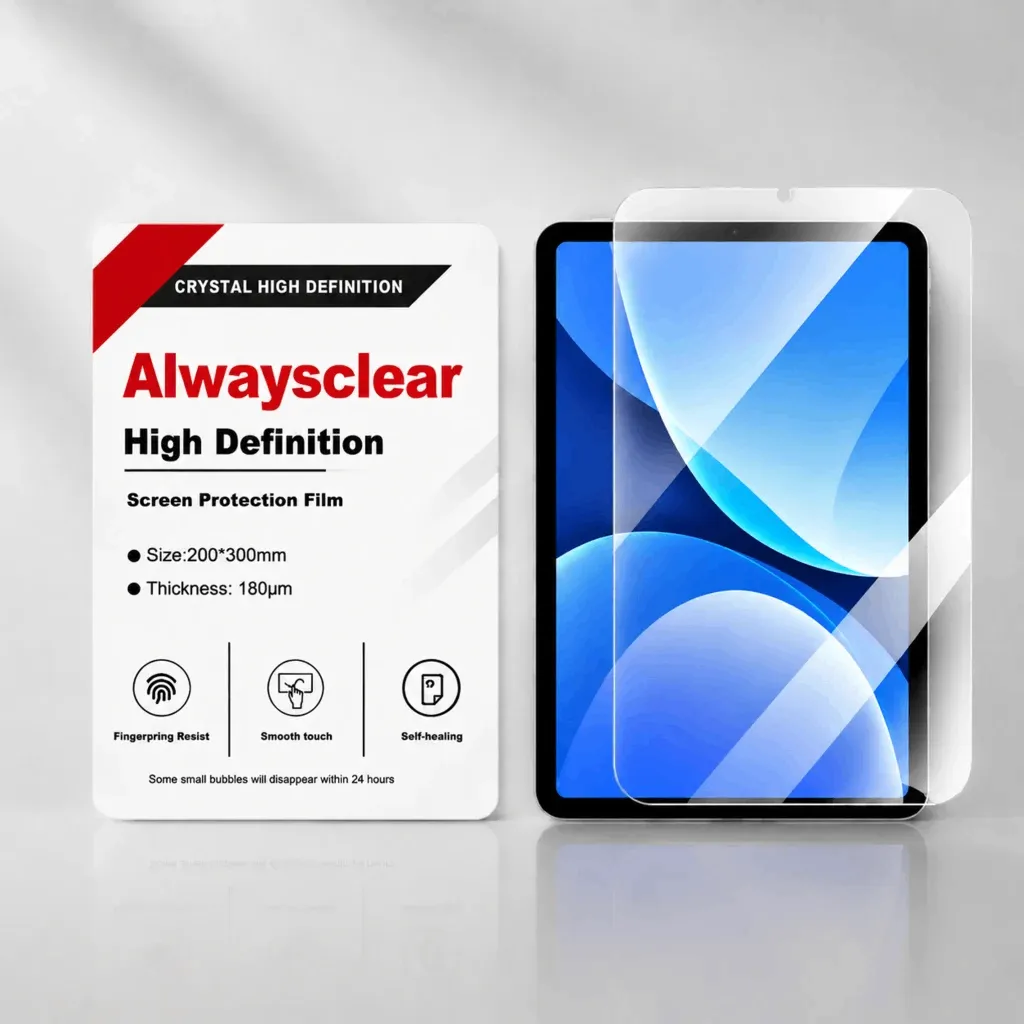
AlwaysClear AF-Nanobeschichtung: Dank fortschrittlicher Vakuumverdampfungstechnologie senkt diese extrem dichte Fluor-Schutzfolie den Reibungskoeffizienten erheblich und sorgt so bereits ab Werk für eine seidenglatte Oberfläche sowie sofortige Fleckenbeständigkeit. Sie hat über 3.000 Abriebzyklustests erfolgreich bestanden und bietet lang anhaltenden Schutz vor Fingerabdrücken sowie Verschleißfestigkeit, wodurch das Problem herkömmlicher flexibler Folien, die mit der Zeit immer rauer werden, vollständig gelöst wird.
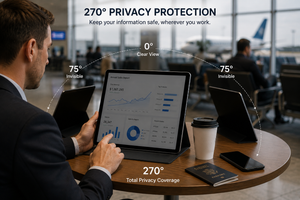
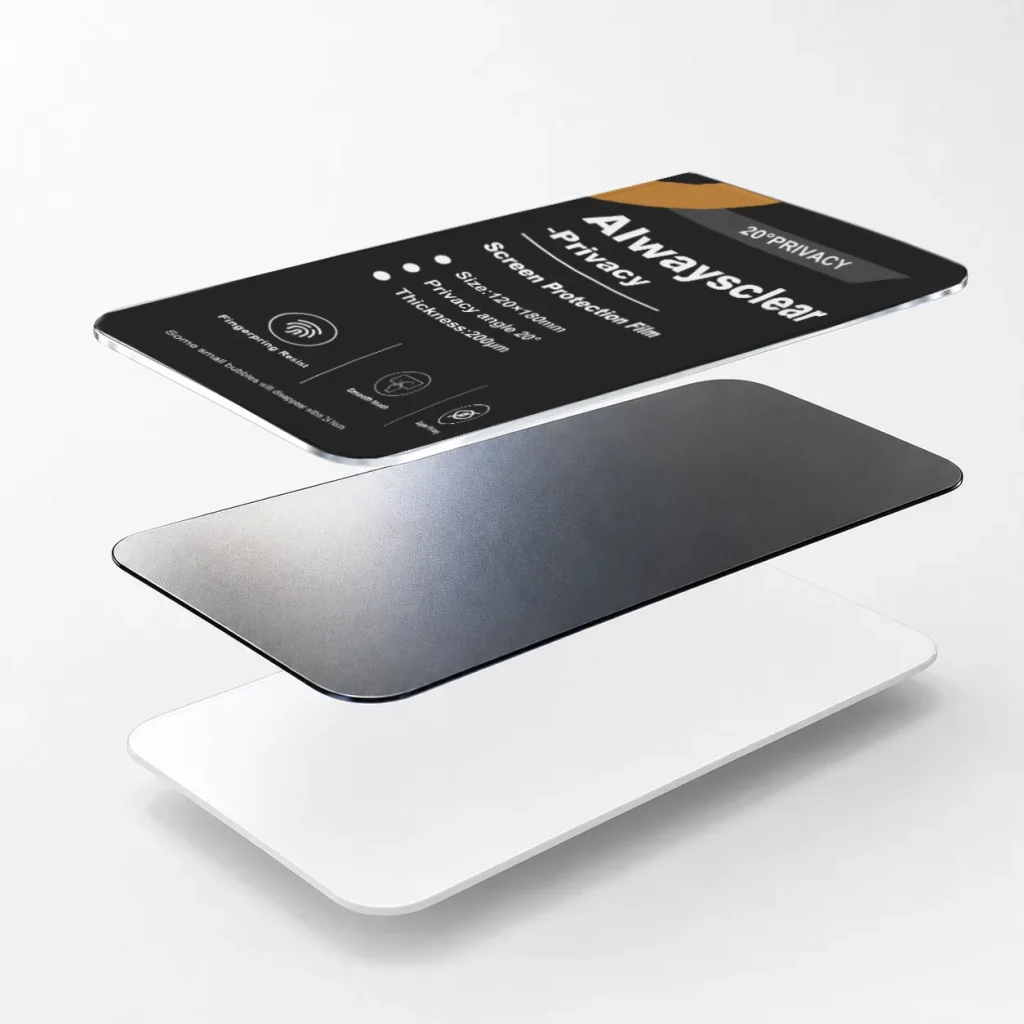
Serie selbstheilender flexibler TPU/EPU-Folien: Diese Folien basieren auf einer modifizierten Polymer-Substratformel und zeichnen sich durch hervorragende Selbstheilung bei Kratzern, Vergilbungsbeständigkeit und Alterungsbeständigkeit aus. Sie sind in den Ausführungen „High Definition“, „matt“ und „Sichtschutz“ erhältlich und haften nahtlos auf verschiedenen gekrümmten und faltbaren Bildschirmen (100%), wobei sie Haptik, Schutz und visuelles Erlebnis optimal in Einklang bringen.
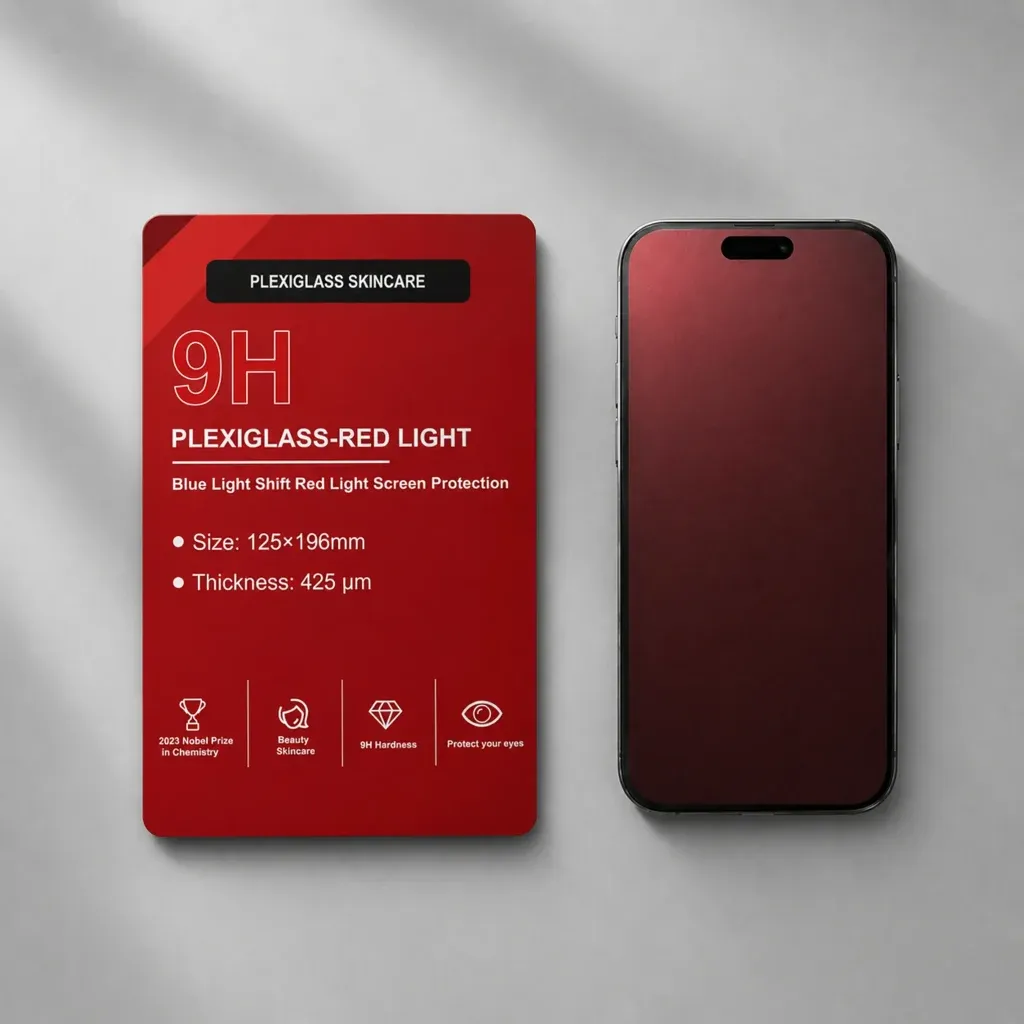
9H-Plexiglas (flexible Acrylglasfolie): Diese Folie verbindet auf innovative Weise den Schutz durch hohe Härte mit der Zähigkeit flexibler Materialien und zeichnet sich durch Vorteile wie Schlagfestigkeit, Kratzfestigkeit, splitterfreie Kanten und nahtlose Haftung aus. Damit überwindet sie die Nachteile herkömmlicher flexibler Folien, die unter unzureichender Härte leiden, sowie die begrenzte Haftfähigkeit von Folien für gehärtetes Glas.
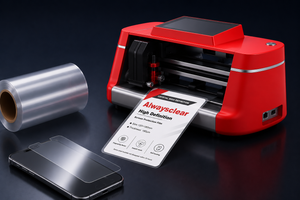
AutoCut Pro – Intelligentes Folienschneidesystem: Passt sich an die Abmessungen aller Arten von Mobiltelefonen, Tablets und faltbaren Endgeräten an, unterstützt flexibles, maßgeschneidertes Zuschneiden, ermöglicht es B-End-Kanälen und Einzelhandelsfilialen, personalisierte Folienanbringungsdienste effizient anzubieten, und verbessert die Flexibilität des Filialbetriebs erheblich.
Fazit
Der Kern der Verbesserung der Benutzererfahrung bei flexiblen Displayschutzfolien liegt in einer umfassenden Weiterentwicklung von Materialzusammensetzung, Beschichtungsverfahren, Konstruktionsauslegung und Qualitätskontrollstandards. Durch die Überwindung grundlegender Probleme wie viskoelastische Steifigkeit, schwache Beschichtungshaftung und Prozessrückstände sowie durch den Einsatz modernster Technologien wie Vakuumgalvanisierung von Nanobeschichtungen, selbstschmierender Modifizierung des Substrats und Verstärkung der Übergangsschicht lassen sich die zentralen Probleme der anfänglichen Rauheit und mangelnden Haltbarkeit der oleophoben Schicht bei flexiblen Folien vollständig lösen. Auch in Zukunft wird sich Easily Technology weiterhin auf Materialinnovationen und Prozessoptimierungen konzentrieren und die Branche mit langlebigen, glatten, äußerst widerstandsfähigen und hochwertigen flexiblen Displayschutzlösungen von “brauchbar” hin zu “benutzerfreundlich, langlebig und mit ultimativem Benutzererlebnis” führen.